
"Western coffee traditions"
2000 article(s) found

The reasons for growing Coffee in the mountainous areas of Western Yemen introduction to the manors in the growing areas of mocha coffee in Yemen
For more information on coffee beans, please follow Coffee Workshop (Wechat official account cafe_style) * mocha Martali (MokhaMattari): the most famous coffee market name in Mardali province, west of the Yemeni capital Sanaa (another word is Bany Mattar). It is coffee produced at high altitude and usually has good red wine.

Chinese tea and western coffee culture-2
(3) the unity of heaven, earth and man in tea culture and coffee culture the dichotomy of tea culture is the Taoist theory of the unity of heaven, earth and man. Taoism believes that heaven, earth and man are equal and should adapt to nature and take the initiative to understand the law, so that people can get the greatest satisfaction. Tea comes from the forest of the mountains, receives the essence of heaven and earth, and bears the rain and dew of abundant soil, which contains Taoism's indifference, serenity and return to nature.

Coffee Western Kitayama
Coffee Western Kitayama is a very pure little cafe. The feeling is that this cafe prefers to be empty. Very quiet. Door locks (like berries) When we were disappointed to leave, the owner waved through the glass door. No photos are allowed inside. You need permission from the boss to sit down. Go to a cafe like this.

The influence of Coffee Culture on Chinese Tea and Western Coffee Culture
Tea, coffee and cola are called the three largest drinks in the world, and the largest consumption is tea and coffee. Coffee plays an irreplaceable role in the life of westerners, no matter in school, company, shopping mall or at home, everyone enjoys it with a coffee cup, while tea is deeply rooted in Chinese life, it is not only a kind of drink, but also carries Chinese culture. Tea and coffee represent

How many varieties of Panamanian boutique coffee and traditional treatment methods are introduced for washing
There are many varieties of Panamanian boutique coffee, such as Geisha, Typica, Bourbon, Caturra, Catuai and San Ramon. The traditional way of treatment is washing, however, with the challenge spirit of the local coffee industry, and through unremitting efforts, the high-quality flavor of dry and honey treatment has also begun to refresh the taste buds of coffee customers to experience the main coffee producing areas of Chiriqui province.

Look at the health-preserving function of coffee from the point of view of traditional Chinese medicine
Coffee is an imported product, spread from abroad to China, traditional Chinese medicine is a Chinese tradition, when Western culture collides with Chinese culture, what kind of result can appear? Let's take a look at the editor to introduce to you what coffee looks like in the eyes of traditional Chinese medicine. Look at the health-preserving function of coffee from the point of view of traditional Chinese medicine: 1. Refreshing and refreshing caffeine has a spicy flavor, which is easy to pass through the brain-blood barrier.
Coffee fashion is free to reveal the age
For office workers, it is difficult to have enough time to enjoy traditional afternoon tea, so the habit of drinking a short and comfortable Western-style afternoon tea gradually spread among office workers. Now in the office building convergence place emerged a lot of chain operation coffee house, self-service and fast service, comfortable street space is favored. these

Coffee Culture Influence: Chinese Tea and Western Coffee Culture
(3)Tea culture of heaven, earth, human unity and coffee culture of heaven and man dichotomy tea culture is heaven, earth, human unity taoist doctrine. Taoism believes that heaven, earth and man are equal, and should adapt to nature and actively understand the law, so that people can get the greatest satisfaction. Tea is produced in the forest of the mountains. It receives the essence of heaven and earth and the rain dew of abundant earth. It contains Taoism's indifference, tranquility and return to nature.
A comparison between Chinese Tea and Western Coffee Culture
(3) the unity of heaven, earth and man in tea culture and coffee culture the dichotomy of tea culture is the Taoist theory of the unity of heaven, earth and man. Taoism believes that heaven, earth and man are equal and should adapt to nature and take the initiative to understand the law, so that people can get the greatest satisfaction. Tea comes from the forest of the mountains, receives the essence of heaven and earth, and bears the rain and dew of abundant soil, which contains Taoism's indifference, serenity and return to nature.

Starbucks' hot eggnog latte teaches you how to make it into ice!
Eggnog (Eggnog) is a traditional western Christmas drink, invented by the British in the 17th century. Nog in Eggnog originally refers to a British strong beer, but the traditional eggnog is based on brandy, with fresh milk, egg yolk and sugar water, shaken until bubbly, so the wine is rich and sweet. After eggnog was introduced into America in the 19th century, Americans made it with rum.
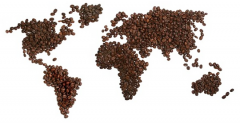
Chinese Coffee History Chinese Tea and Western Coffee Culture
(3) the unity of heaven, earth and man in tea culture and coffee culture the dichotomy of tea culture is the Taoist theory of the unity of heaven, earth and man. Taoism believes that heaven, earth and man are equal and should adapt to nature and take the initiative to understand the law, so that people can get the greatest satisfaction. Tea comes from the forest of the mountains, receives the essence of heaven and earth, and bears the rain and dew of abundant soil, which contains Taoism's indifference, serenity and return to nature.

Cafe with access control in Coffee Western Kitayama
CoffeeWesternKitayama is a very pure little cafe. It gives the impression that the cafe would rather be empty. Very quiet. There is a door guard at the door (like berries) when we were disappointed to leave, the owner of the store waved to us through the glass door. No photos are allowed inside. You need the permission of your boss if you want to sit down. Go to a cafe like this to get to the bottom.

Arabica, the most traditional Arabica coffee variety.
Arabica bean scientific name: coffea arabica (Arabica bean) family: Rubiaceae coffee tree can be divided into two main varieties: Arabica species (coffea arabica) and Robusta species (coffea robusta/coffea canephora) (rare on the market). Arabica (Coffea arabica) is the most traditional Arabica coffee variety. Originated in the east

The most traditional Arabica coffee variety, Rabica.
Arabica bean scientific name: coffea arabica (Arabica bean) family: Rubiaceae coffee tree can be divided into two main varieties: Arabica species (coffea arabica) and Robusta species (coffea robusta/coffea canephora) (rare on the market). Arabica (Coffea arabica) is the most traditional Arabica coffee variety. Originated in the east
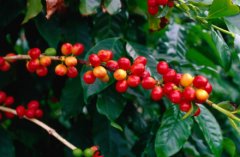
Arabica, the most traditional Arabica coffee variety.
Arabica bean scientific name: coffea arabica (Arabica bean) family: Rubiaceae coffee tree can be divided into two main varieties: Arabica species (coffea arabica) and Robusta species (coffea robusta/coffea canephora) (rare on the market). Arabica (Coffea arabica) is the most traditional Arabica coffee variety. Originated in the east

Let you know what are the benefits of coffee in the eyes of traditional Chinese medicine?
Coffee is an imported product, when Western culture collides with traditional Chinese medicine culture, let's see how traditional Chinese medicine feels the pulse of coffee! The coffee bean is taken from the fruit of the coffee tree. It is red and red in color, enters the heart, is bitter, and merges into the path of the large intestine. The taste is bitter and bitter, fried and scorched, and the taste of glycol has the effect of nourishing and relieving, relieving pain, diverging pungent flavor, passing through the brain-blood barrier and treating surface wind and heat.

The most traditional Arabica coffee variety-Arabica Arabica coffee
Arabica bean scientific name: coffea arabica (Arabica bean) family: Rubiaceae coffee tree can be divided into two main varieties: Arabica species (coffea arabica) and Robusta species (coffea robusta/coffea canephora) (rare on the market). Arabica (Coffea arabica) is the most traditional Arabica coffee variety. Originated in the east
Introduction of the Origin of the most traditional Arabica Coffee
Arabica (Coffea arabica) is the most traditional Arabica coffee variety. Originally from East Africa, coffee was monopolized by the Arab world for a long time before the 15th century, so it was called Arabian coffee by Europeans. It turned out that all the commercial coffee in the world were small grains, but it was only at the end of the 19th century that growers began to look for other resistance to a large-scale disease.

Blending delicious fancy Coffee with famous Chinese Wine
In the history of coffee, there is no shortage of coffee drinks mixed with western wine, but Chinese wine combined with western-style coffee, and officially launched for the market, is still the first in the industry: daughter red coffee? What kind of taste is this?

Characteristics of Colombian Coffee how to drink Colombian Coffee in Vera Plateau
For the exchange of professional baristas, please follow the Coffee Workshop (official Wechat account cafe_style) introduction: the western part of Colombia is the Andes, divided into three parts: the western, central and eastern mountains. The Cauca and Magdalena rivers flow along the Caribbean to the lowland plains. Colombia is currently the second largest coffee producer in the world, using water to treat Arabica.